


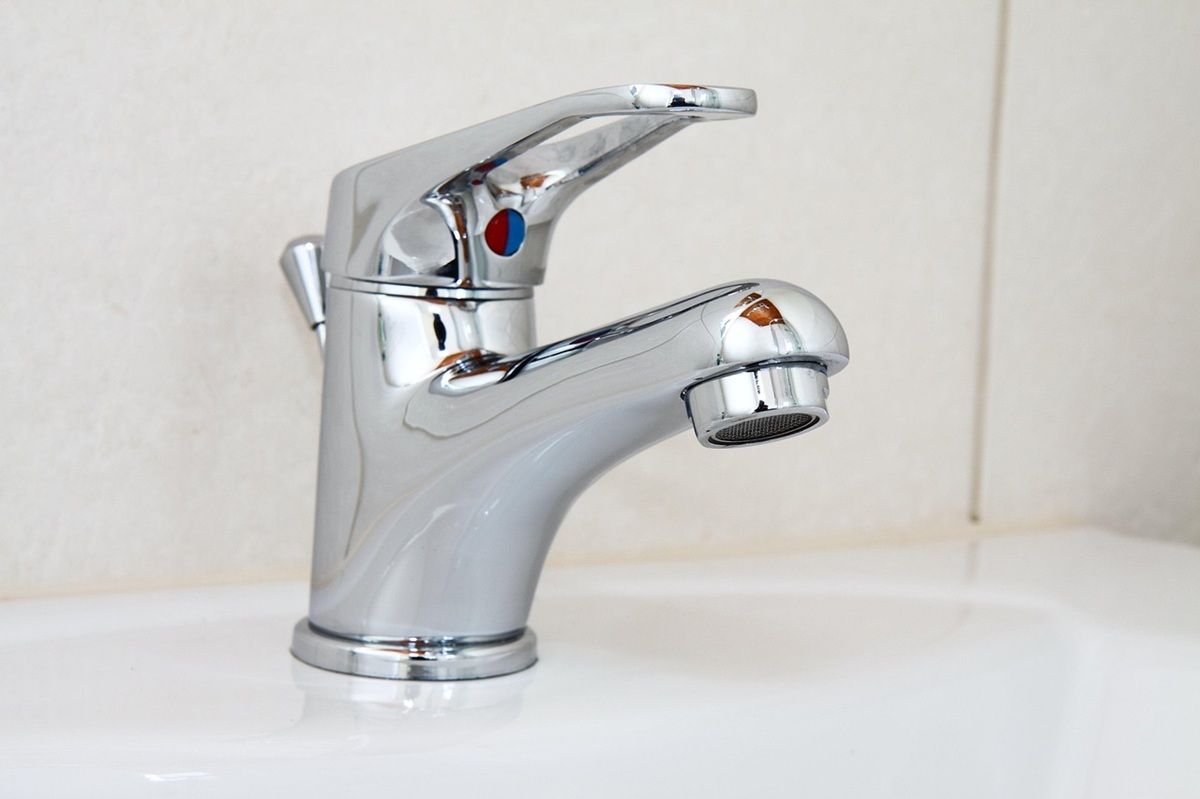
From 1 May 2026, the rules around what can be installed in your home’s plumbing have changed in a significant and important way. New Zealand now requires that all plumbing products that come into contact with drinking water must be lead-free. In practice, this means a lead content of no more than 0.25%. Whether you’re renovating a kitchen, replacing a leaky tap, or building a new home entirely, these rules apply to you and your plumber.
This change is good news for New Zealanders. Here’s what it means, why it matters, and how to make sure you’re compliant.
Why Lead In Tapware Is A Health Concern
Lead is a toxic metal that has no safe level of exposure in the human body. Research has shown it can accumulate over time and affect the brain, kidneys, cardiovascular system, and nervous system. It is said that children under six and pregnant women face the greatest risk, even low-level exposure during early development could possibly contribute to learning difficulties, behavioural issues, and developmental delays.
The concern with plumbing is the small amounts of lead contained in plumbing fittings and fixtures, which can leach into standing water overnight when the tap hasn’t been used. While the concentrations are typically small, repeated daily exposure adds up, particularly for vulnerable members of your household.
According to the World Health Organisation, there is no known safe level of lead exposure in children, and the metal accounts for an estimated 21.7 million years lost to disability and death globally each year due to long-term low-level exposure.
What The New Regulations Require
The updated requirements flow from a change to the New Zealand Building Code, which sets out the minimum standards for all building work in the country. The regulation is straightforward: from 1 May 2026, any plumbing product installed in contact with drinking water must contain 0.25% lead or less by weight.
This threshold aligns New Zealand with standards already in place in Australia, the United States, and parts of Europe, so many international manufacturers are already well ahead of this standard.
Does This Mean Your Existing Pipes And Tapware Are Unsafe?
The short answer is not necessarily. The new requirements apply to new installations and replacements, not to existing plumbing or tapware already in your home. The Ministry of Health’s current guidance does not require you to rip out your existing fittings immediately.
However, there is a simple precautionary step recommended for all households – flush approximately one cup of water from your drinking water tap each morning before use. This clears any water that has been sitting in contact with fittings overnight, which is when dissolved metals are most concentrated. It takes seconds and meaningfully reduces your exposure risk.
If you are planning any renovations, repairs, or new builds, that’s when the new standard kicks in. Any tapware, fittings, or plumbing components installed after 1 May 2026 must meet the lead-free threshold. There are no exceptions.
How To Identify A Lead-Free Product
This is where homeowners and even some tradespeople can get tripped up. So, here’s a practical guide:
- Look For Certification Markings. The most reliable indicator is a recognised product certification. WaterMark is a joint Australian-New Zealand scheme that certifies plumbing products for safety and performance. Look for this mark on packaging, some products also carry a physically etched lead-free marking on the product itself.
- Check The Master Plumbers Label. The Master Plumbers Recommended Lead-Free programme provides a trusted shortcut for consumers, where every product bearing this label has been verified as lead-free and compliant with the new standard.
- Be Cautious With International Online Retailers. Purchasing tapware through overseas marketplaces is one of the more common pitfalls. Products that meet standards in other countries may not meet New Zealand’s updated requirements. If a product arrives without clear certification and your plumber cannot verify its compliance, it cannot legally be installed. The savings on a cheap tap won’t be worth the cost of sourcing a compliant replacement.
- Ask Your Plumber. Licensed plumbers are your best resource here. Reputable suppliers (the ones your plumber works with regularly) have almost certainly already stocked compliant ranges. Your plumber will know which products pass the standard and which to avoid.
What This Means in Practice For Plumbers In NZ
As a licensed plumber, these changes affect your purchasing decisions, your supplier relationships, and your liability. Any product you install in contact with drinking water must now meet the 0.25% threshold, there are no exceptions, regardless of what the client has sourced themselves.
If a client presents a product that cannot be verified as lead-free, you are not in a position to install it. This is worth communicating clearly upfront when quoting jobs. It’s also worth proactively updating your clients during renovation consultations, particularly on older properties where tapware replacement is on the cards.
The majority of established manufacturers in the New Zealand and Australian market have already transitioned their ranges. If you’re sourcing from reputable distributors, compliance should be largely seamless. The risk area is grey-market or imported products, keep that in mind when clients ask about products they’ve found online.
New Zealand has moved relatively late on this issue compared to some other jurisdictions, but the change is a meaningful one. Updating the Building Code to require lead-free plumbing is a practical, achievable step that will have real benefits at the population level over time.
For homeowners, the message is simple: your existing tapware is not necessarily a crisis, but any new work done from here should meet the new standard. For plumbers and builders, it’s a matter of knowing the certification markers, working with trusted suppliers, and not installing products that can’t be verified. For more information, give the team at Whitehead Plumbing a call to discuss your lead-free plumbing options for your next project.